
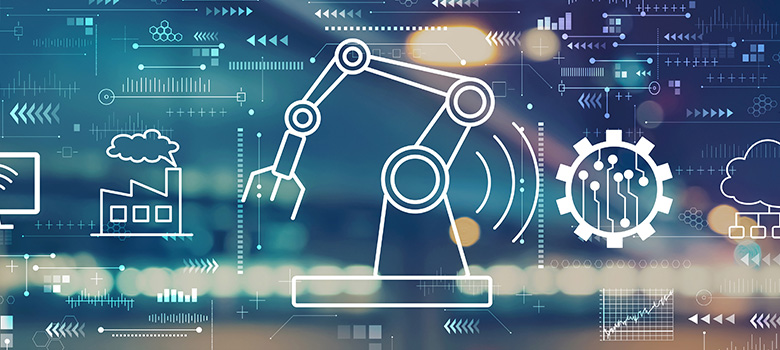
Smart manufacturing refers to the digitalization and intelligent integration of processes across an industrial facility. This is achieved through continuous connectivity between machinery, production systems, and monitoring platforms, together with real-time data collection.
The collected data is used to support decision-making and improve production processes. Implementation of smart factory technologies relies on the integration of Artificial Intelligence (AI), Big Data, Cloud Computing, and the Industrial Internet of Things (IIoT).
Levels of Smart Manufacturing
Benefits of a Smart Factory
- Production Process Intelligence: By using evidence-based decision-making based on data collected from the production process, the system can improve equipment performance and enhance workforce productivity.
- Cost Reduction: Intelligent control of production processes helps prevent resource waste and reduce operating costs.
- Waste Reduction: Smart manufacturing enables real-time management of production processes, helping prevent the production of defective products and reduce quality-related losses.
- Product Development: Comprehensive data collection, analysis, and prediction make product development more efficient and facilitate planning for high-quality production and delivery to customers.
- Consistent Quality: By applying Machine Learning and data analytics, Smart Factory systems can predict potential faults and support preventive actions in the production line, helping maintain consistent quality and ensure high-quality output.
Industries That Benefit from Smart Factory Solutions
- Airports
- Automotive Industry
- Food Industry
- Healthcare and Medical
- Pharmaceutical Industry
- Livestock and Dairy Industries
- Agriculture
- Warehousing and Distribution
- Steel Industry
- Petrochemical Industry
- Brick Manufacturing
- Stone Processing Plants
- Home Appliance Industry

Our Proposal
The agility of production processes and digital management increases speed and accuracy while reducing costs. These benefits have led to the growing adoption of smart manufacturing systems across a wide range of industries.
 تلفن :
  همراه :
  ایمیل :